Bring Your Creative Vision to Life with Chocolate Tree Patterns and Backgrounds
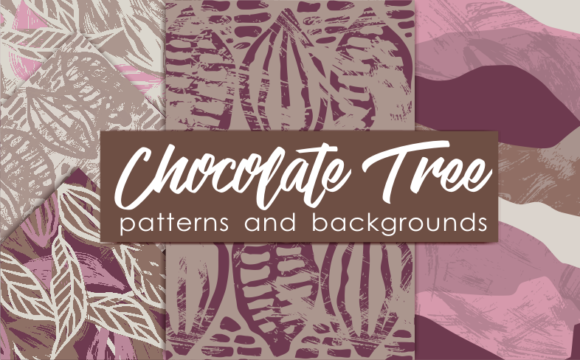
Finding the perfect visual foundation for a design project can feel like searching for a rare ingredient. You need something that feels both distinctive and versatile, something that carries a mood without overwhelming the rest of your work. Chocolate Tree Patterns and Backgrounds offers exactly that kind of creative foundation. This collection brings together stylized cocoa beans and leaves in a way that feels organic, rich, and surprisingly adaptable. Whether you are building a fabric line, designing stationery, or crafting digital scrapbook pages, these patterns give you a starting point that already feels polished and purposeful.
The set includes a single Adobe Illustrator file and an EPS file containing twelve distinct patterns, along with twelve high-resolution PNG files at 5812 by 5812 pixels and twelve JPEG previews. Because the files are vector based, you have the freedom to adjust colors, scale elements, and rearrange components until the pattern fits your exact vision. This is not a one-size-fits-all collection. It is a flexible toolkit designed to meet the real-world needs of designers who value both efficiency and originality.
Why Designers Turn to Pattern Collections Like This One
Every designer faces the same basic tension: you want your work to feel fresh and intentional, but you also need to deliver results within reasonable time frames. Starting from scratch with every pattern can eat up hours that could be better spent on composition, branding, or client collaboration. Pre-made pattern collections bridge that gap. They give you a strong visual starting point, but they leave the important decisions in your hands.
Chocolate Tree Patterns and Backgrounds was created with this balance in mind. The motifs themselves—cocoa pods, beans, and leaves—carry a natural warmth and richness that works across many contexts. At the same time, the vector format means you are not locked into someone else's color palette or layout. You can treat each pattern as raw material, reshaping it to serve your specific project needs. That flexibility is what makes this collection particularly valuable for professionals who work across multiple mediums.
How This Collection Addresses Common Creative Challenges
One of the most frequent frustrations designers mention is finding patterns that look good on screen but fall apart when applied to physical products. The resolution matters, and so does the repeat structure. With PNG files at 5812 pixels per side, you have enough detail for large format printing or for detailed mockups where every pixel counts. The JPEG previews give you a quick way to present options to clients without waiting for full renders.
Another common challenge is color matching. A pattern that works beautifully for a digital background may feel completely wrong when printed on fabric or used as packaging wrap. Because the AI and EPS files are vector based, you can recolor individual elements or the entire pattern in just a few clicks. This means you can create a warm, earthy version for a fall collection and a brighter, more playful palette for a spring line, all from the same base design. The patterns themselves remain consistent, but the mood shifts entirely based on your color choices.
For designers working on branding or packaging, consistency across different assets is critical. Chocolate Tree Patterns and Backgrounds allows you to pull a single motif from one pattern and combine it with elements from another, creating a cohesive visual system without having to redraw anything. The stylized cocoa beans and leaves share a similar aesthetic language, so mixing and matching feels natural rather than forced.
Practical Applications Across Different Creative Fields
The real strength of this collection lies in how it adapts to different workflows and end uses. Here are several ways different types of designers might approach these patterns.
Fabric and Apparel Design
If you design textiles, you already know that pattern repeat quality can make or break a fabric. The vector files in this collection let you test different repeat structures, adjust scale for different garment types, and experiment with colorways without generating new samples. The cocoa bean motif works especially well for casual apparel, home textiles, and accessories where an organic, slightly rustic feel is appropriate. You can scale the pattern large for a bold statement piece or reduce it for a subtle texture in shirting or lining fabrics.
Stationery and Paper Goods
For stationery designers, versatility is key. A single collection might need to work across greeting cards, notebooks, wrapping paper, and gift tags. Chocolate Tree Patterns and Backgrounds gives you twelve distinct looks, so you can create a full product line with a unified theme but enough variety to keep each piece interesting. The high-resolution PNG files are especially helpful for print-on-demand platforms, where file quality directly affects the final product. You can upload the patterns as they are or use the vector source to add personal touches like handwritten text or custom borders.
Blog and Website Design
Digital spaces benefit from backgrounds that load quickly and scale cleanly across devices. While the PNG files are large enough for high-resolution displays, you can also export smaller versions from the vector files for web use. The organic forms of the cocoa leaves and beans add warmth to a blog header, sidebar background, or product page without competing with your content. If you manage multiple brand aesthetics, you can save different color variations and swap them out seasonally or for specific campaigns.
Digital Scrapbooking and Memory Keeping
Digital scrapbookers often need papers and elements that feel cohesive without being repetitive. The twelve patterns in this collection offer enough variety to build entire layouts around a chocolate or nature theme. Because the PNG files are transparent on a white background in the provided format, you can layer them behind photos, clip them into shapes, or use them as accents. The vector files also allow you to extract individual cocoa beans or leaves to use as standalone embellishments, giving you even more creative control.
Packaging Design
Food and gift packaging demands imagery that feels appetizing and authentic. Stylized cocoa beans and leaves carry immediate associations with quality chocolate, making this collection a natural fit for chocolate brands, coffee shops, bakeries, or any product that wants to evoke warmth and indulgence. The ability to recolor the patterns means you can match brand colors exactly, while the resolution supports everything from small labels to larger gift boxes.
Choosing the Right Format for Your Workflow
Understanding which file format to reach for can save you time and frustration. If you need to make structural changes to the pattern itself—resizing motifs, changing colors, or rearranging elements—start with the AI or EPS file. These are the editable masters. If you need a ready-to-use image for a digital project or for client presentation, the PNG files give you maximum resolution without any extra steps. The JPEG previews are ideal for mood boards, quick mockups, or situations where file size matters more than transparency.
A practical recommendation is to keep the vector file open as you work on a project. That way, you can quickly generate variations as your design evolves. For example, you might start with a pattern in its original color palette for an initial concept, then create two or three alternate versions to show a client. Having the source file readily available turns what could be a multi-hour task into a few minutes of adjustment.
Approaching the Collection as a Starting Point, Not a Final Solution
The most effective designers treat pattern collections as raw material rather than finished products. Chocolate Tree Patterns and Backgrounds provides a strong visual vocabulary, but your unique choices in color, scale, composition, and context are what make the final design feel personal and intentional. If you are working on a brand identity, consider how the pattern interacts with your typography, logo, and other visual elements. If you are designing a fabric line, think about how the pattern will read at different viewing distances and how it coordinates with other textiles in the collection.
For those new to using vector pattern collections, a good starting point is to choose two or three patterns that feel distinct from each other and experiment with recoloring them in a consistent palette. This simple exercise can reveal how much the underlying motif shapes the overall feel, and it builds confidence in making the collection your own. More experienced designers might jump straight to combining motifs from different patterns or using the vector files to create entirely new compositions.
Making the Most of the Twelve Patterns
With twelve patterns at your disposal, there is room to explore different scales and densities. Some patterns in the collection likely feature larger, more open motifs that work well as hero designs on a single product. Others probably have tighter, more detailed repeats that function better as subtle backgrounds. Take time to look at each pattern both up close and at a distance to understand its best use case. A pattern that feels busy on a small screen might look perfect on a tote bag or a gift box.
Consider also how the patterns interact with each other. Using one pattern for the main surface and another for lining, trim, or accent pieces can create a layered, professional look. Because the patterns share a common subject matter, they naturally coordinate, but the variety within the collection prevents the final product from feeling monotonous.
Final Thoughts on Working with Chocolate Tree Patterns and Backgrounds
Great design often comes down to having the right ingredients and the freedom to use them well. Chocolate Tree Patterns and Backgrounds delivers both. The stylized cocoa beans and leaves bring a timeless, natural appeal that suits a wide range of projects, while the vector format and multiple file types ensure you are never limited by the original layout or color scheme. Whether you are building a fabric collection, designing packaging, or refreshing a blog aesthetic, this collection gives you a reliable foundation that still leaves room for your own creative direction.
By focusing on how each pattern solves a specific need—whether that is color flexibility, resolution, or ease of editing—you can approach the collection with confidence, knowing that the technical details are already handled. That leaves you free to do what you do best: create work that feels both beautiful and purposeful.