Chocolate Easter Patterns: A Strategic Resource for Design, Branding, and Seasonal Communication
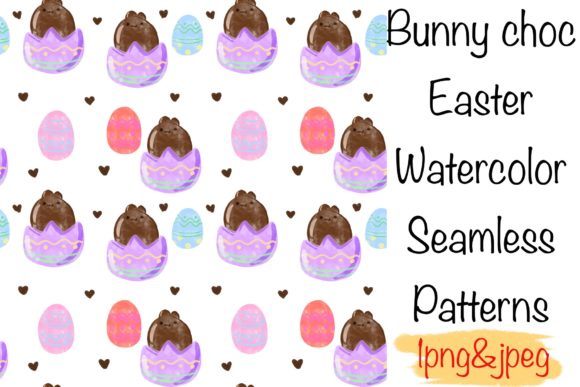
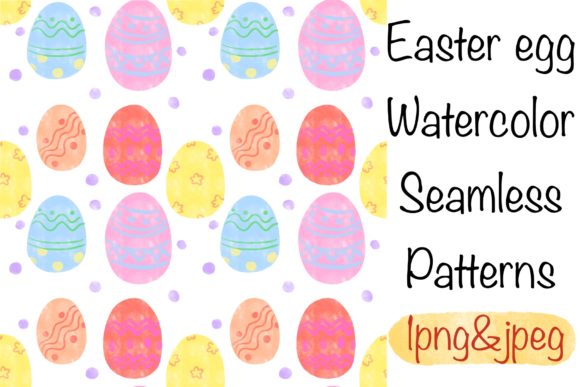
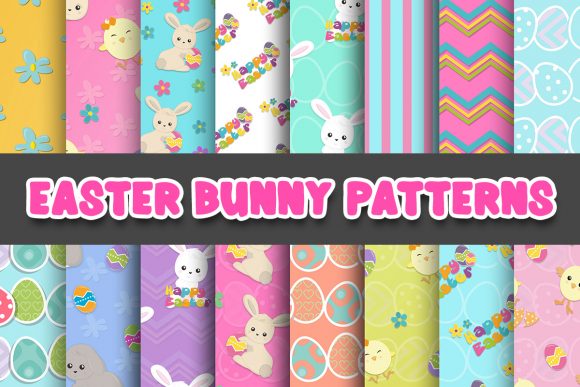
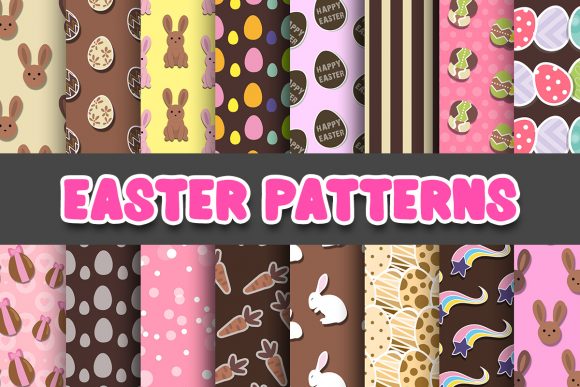
Seasonal design assets often fall into one of two categories: the generic and forgettable, or the thoughtfully crafted that elevate an entire project. Chocolate Easter Patterns belong firmly in the latter group. This collection of 16 digital paper backgrounds, featuring motifs such as Easter eggs, bunnies, and other seasonal symbols, offers more than surface-level decoration. When approached with intention, these patterns become a strategic tool for branding, marketing, customer experience, and creative productivity.
For entrepreneurs, small business owners, marketers, educators, and creators, the difference between a project that resonates and one that is quickly overlooked often comes down to the coherence and quality of visual design. Chocolate Easter Patterns provide a ready-made foundation that saves time, ensures consistency, and delivers a professional aesthetic. But like any resource, its value depends entirely on how it is deployed. Used without context or purpose, even the best patterns can feel disconnected. Used strategically, they can reinforce messaging, streamline production, and enhance how an audience perceives your work.
Why Chocolate Easter Patterns Deserve a Place in Your Creative Workflow
The primary appeal of Chocolate Easter Patterns lies in their thematic richness and visual warmth. Easter as a seasonal touchpoint carries associations of renewal, celebration, family, and tradition. The chocolate-inspired palette and playful motifs tap into these emotions directly, making the patterns immediately relatable. For anyone producing content or products around the Easter season, these digital papers remove the need to design from scratch. You gain a library of coordinated backgrounds that can be applied across multiple formats—invitations, social media graphics, packaging, scrapbook pages, classroom materials, and more.
From a strategic standpoint, this means you can maintain visual consistency without investing hours in original illustration. Time is a finite resource, especially for freelancers and small business owners who juggle multiple roles. By integrating a resource like Chocolate Easter Patterns into your workflow, you free up mental energy for higher-level decisions: message refinement, audience targeting, and campaign sequencing. The patterns become an operational shortcut that does not compromise quality.
Moreover, the collection includes clipart elements alongside the paper backgrounds. This dual offering expands your creative options. You can use the papers as backdrops and layer the clipart for custom compositions, or you can extract individual elements for use in logos, icons, or accent details. The modular nature of the set supports both broad application and fine-grained customization.
Aligning Visual Assets with Strategic Goals
Every creative project serves a goal, whether that goal is to increase brand awareness, drive event attendance, support a learning outcome, or simply delight a customer. Chocolate Easter Patterns are most effective when you first clarify what you are trying to achieve. Consider these common objectives and how the patterns can support each one.
Brand Positioning and Seasonal Relevance
If your business or brand operates within a seasonal cycle—retail, hospitality, education, event planning—then timely visuals signal relevance and attentiveness. Using Chocolate Easter Patterns in email newsletters, product packaging, or website banners tells your audience that you are aware of the season and that you care about the details. This is particularly valuable for small businesses competing with larger players who have dedicated design teams. A well-executed seasonal update can make your brand feel current, approachable, and engaged with your community.
For example, a bakery offering Easter-themed treats could use these patterns as the foundation for gift tags, menu cards, or social media posts. The chocolate-inspired tones naturally complement food photography, creating a cohesive visual story. A children's clothing boutique might use the bunny and egg motifs in a spring lookbook or as wrapping paper for online orders. In each case, the patterns reinforce the seasonal message without requiring the business owner to commission custom artwork.
Customer Experience and Emotional Connection
Customer experience extends beyond the moment of purchase. It includes every touchpoint where a customer interacts with your brand, from the first email to the unboxing of a product. Seasonal patterns add a layer of delight that signals thoughtfulness. When a customer receives an invitation designed with Chocolate Easter Patterns, or when a child opens a scrapbook page featuring playful bunnies and eggs, the response is often emotional. That emotional connection builds loyalty and encourages word-of-mouth sharing.
Educators and homeschool parents can also use these patterns to create engaging learning materials around the Easter holiday. Worksheets, reward charts, and classroom decorations become more inviting when they feature cohesive, appealing visuals. The patterns can support lessons about traditions, colors, patterns, and even basic geometry if used as part of a sorting or matching activity. The versatility across contexts makes the collection a practical investment for anyone who creates content for children or families.
When and How to Use Chocolate Easter Patterns Effectively
Timing matters. The Easter season has a defined window, and using seasonal patterns outside that window can feel out of place. Plan your projects around the weeks leading up to Easter, when anticipation is building. This is when invitations, event promotions, product launches, and social media campaigns have the greatest impact. Using Chocolate Easter Patterns too early, or too late, dilutes their relevance. Align your creative calendar with the seasonal arc to maximize resonance.
Approach the collection as a system rather than a set of isolated files. Before you begin designing, review all 16 papers and the accompanying clipart. Identify the patterns that best match your brand colors, your message tone, and your medium. Some patterns may be busier and better suited for borders or small accents, while others with simpler motifs can serve as full-page backgrounds. Planning this mapping in advance prevents the common mistake of overloading a design with competing visuals.
Consider also the technical format. Digital papers are typically provided in high-resolution JPEG or PNG files, suitable for both print and digital use. If you are creating physical products, such as party decorations or gift wrap, ensure your printer and paper stock can handle the color profile. Test a small sample before committing to a large print run. For digital applications, resize the patterns appropriately to avoid pixelation on social media or web platforms.
Practical Planning Tips for Intentional Use
To derive the greatest strategic value from Chocolate Easter Patterns, treat the planning phase as seriously as the design phase. Start by listing every project you intend to produce for the Easter season. This might include:
- Event invitations and thank-you cards
- Social media posts and story backgrounds
- Product labels or packaging inserts
- Email newsletter headers
- Classroom worksheets or activity sheets
- Scrapbook layouts or memory book pages
- Printable banners or garlands for parties
Once your list is complete, assign specific patterns to each project. Avoid using the same pattern everywhere; variety maintains interest and prevents visual fatigue. The collection offers 16 distinct options, which gives you enough range to differentiate projects while keeping them visually connected. When possible, include at least one element from the clipart set in each project to create a thread of continuity.
Another practical step is to create a simple brand overlay. If your business has a logo or a signature color, consider how the Chocolate Easter Patterns can incorporate those elements. You might add a subtle logo watermark to digital papers used in social media, or you might print the patterns on cardstock and handwrite a personal note. These small touches transform a generic pattern into something that feels distinctly yours.
Risks of Using Seasonal Patterns Without Clear Goals
The most significant risk is misalignment. If the patterns are used without consideration of the audience, the message, or the medium, they can undermine credibility. A formal corporate communication, for example, is unlikely to benefit from playful bunny motifs. Similarly, using the patterns for every piece of content during the season can lead to visual clutter, where the decoration overwhelms the core message. Restraint is a strategic choice. Use the patterns to enhance communication, not to replace it.
There is also a risk of over-reliance. While Chocolate Easter Patterns are a powerful resource, they should not become a crutch that replaces thoughtful design thinking. The patterns work best when they support a broader creative vision, not when they are used as a shortcut to avoid making design decisions. Always ask: Does this pattern serve the goal of this specific project? If the answer is unclear, consider using a different pattern or a simpler layout.
Copyright and licensing considerations also matter. Digital paper collections often come with usage terms that limit commercial redistribution or resale. Before using the patterns in products you intend to sell, review the license included with the download. Respecting these terms protects you legally and ensures the creator is compensated fairly for their work.
Long-Term Value Beyond a Single Season
One of the underappreciated advantages of a well-designed pattern set is its reusability. Although Chocolate Easter Patterns are thematically tied to Easter, certain papers may work in spring contexts beyond the holiday itself. Pastel tones, egg motifs, and nature-inspired elements can transition into general spring projects, especially if you avoid overtly religious or date-specific references. This extends the useful life of the collection and increases your return on investment.
Consider also that the patterns can be archived and revisited in future years. As your brand evolves, you may find new ways to apply the same assets. A pattern that served as a party backdrop in one year might become a product label in another. Building a library of quality digital papers is akin to building a wardrobe of timeless pieces. The patterns do not expire; they simply wait for the right context.
For educators and content creators who work in cyclical schedules, this reusability is particularly valuable. A teacher who uses Chocolate Easter Patterns for classroom materials can store the files and adapt them annually, saving preparation time each spring. The initial selection and organization of the patterns become an investment that pays dividends across multiple school years.
Decision-Making Guidance for Choosing the Right Patterns
When evaluating which of the 16 papers to prioritize, consider the following decision criteria:
- Complexity: Detailed patterns work well as borders or small accents. Simple, repeating motifs are better for full backgrounds.
- Color alignment: Compare the palette of each pattern with your existing brand colors or project theme. Harmony creates professionalism.
- Motif relevance: Choose patterns with motifs that logically connect to your content. Bunny patterns suit children's materials; egg patterns work for general Easter celebrations.
- Medium suitability: Patterns that look good on screen may not print equally well. Test a few before finalizing.
- Versatility: Some patterns can be cropped, rotated, or layered to create new looks. Prioritize those that offer flexibility.
These criteria are not rigid rules but rather a framework for making intentional choices. The goal is to move from random selection to informed curation. When you choose a pattern because it aligns with your objectives, the resulting design carries conviction. That conviction translates into a more compelling experience for your audience.
Integrating Chocolate Easter Patterns into Your Broader Creative Strategy
The most successful creators and business owners treat design assets as part of a larger system. Chocolate Easter Patterns should not exist in isolation. They should be integrated with your content calendar, your brand guidelines, and your production workflow. By planning ahead, you can batch-produce seasonal materials efficiently while maintaining quality control.
For example, if you run a business that sells printable party kits, you could use the patterns to create a cohesive collection of Easter-themed products: invitations, banner templates, cupcake toppers, and activity sheets. Each product uses a different pattern from the set, but the overall line feels unified. Customers appreciate the coherence, and you benefit from the efficiency of working with a single, coordinated asset family.
Similarly, a freelance graphic designer might use Chocolate Easter Patterns as a starting point for client projects, customizing the colors or overlaying additional elements to match each client's brand. This approach saves time on initial concepting while still delivering bespoke results. The patterns become a scaffold for creativity, not a limitation.
Final Observations on Using Chocolate Easter Patterns with Purpose
The difference between a project that feels thrown together and one that feels carefully considered often comes down to the quality and relevance of its visual elements. Chocolate Easter Patterns offer a rich, ready-made foundation for seasonal work, but their true value emerges only when they are used with clear goals and thoughtful planning. Whether you are a small business owner preparing for a holiday promotion, a teacher designing engaging classroom materials, or a creator building a cohesive product line, these digital papers can support your objectives without adding unnecessary complexity.
Approach the collection as a resource to be curated, not consumed. Choose patterns that align with your message, test them in your chosen medium, and combine them with your own brand elements to create something distinctly yours. By doing so, you turn a set of digital backgrounds into a strategic asset that elevates your work and resonates with your audience. The patterns are the tool; your intention gives them meaning.