KDP Seamless Vector Patterns: A Complete Asset Package for Creators and Entrepreneurs
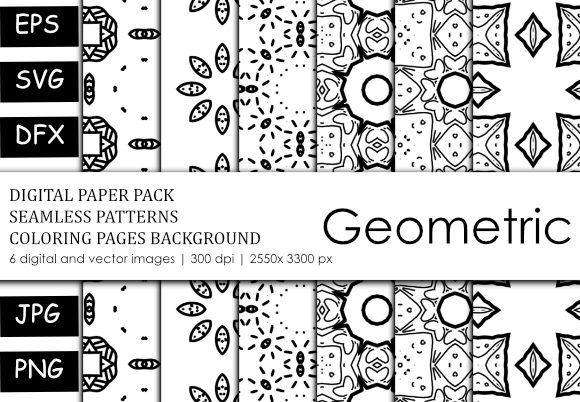
The demand for print-on-demand products has reshaped how independent creators, small business owners, and even hobbyists approach product design. Among the most valuable resources in this space are KDP seamless vector patterns. These are pre-made, endlessly repeatable designs that can be used across a wide range of products, from books and notebooks to apparel, home decor, and digital downloads. What makes them especially appealing is the all-in-one file package that typically includes high-resolution PNG and JPEG images at 300 DPI, along with EPS, SVG, and DXF vector files. This combination offers both flexibility and quality, allowing you to work across different platforms and use cases without needing to recreate designs from scratch.
For anyone involved in Kindle Direct Publishing or broader print-on-demand work, seamless patterns save time, ensure consistency, and open up possibilities that would otherwise require advanced design skills. The shift toward asset-based creation is not a passing trend. It reflects a deeper change in how modern professionals and creators operate. Instead of building every element from the ground up, many now rely on well-crafted templates and pattern packs to streamline their workflow. This approach does not sacrifice originality. In fact, it often enhances it by freeing up mental energy for layout, branding, and marketing decisions.
Why Seamless Vector Patterns Are Gaining Attention
Several converging factors explain the growing interest in KDP seamless vector patterns. First, the print-on-demand industry continues to expand. More individuals are launching small product lines with minimal upfront investment. Second, marketplaces like Amazon KDP have lowered the barrier to entry, but competition has increased accordingly. Standing out requires polished, visually cohesive products. Seamless patterns offer a reliable way to achieve a professional look without hiring a graphic designer or spending hours learning complex software.
Another factor is the shift toward remote and independent work. Freelancers, educators, bloggers, and small business owners are constantly looking for efficient ways to produce content. A single pattern pack can serve multiple purposes: a background for a blog graphic, a cover design for a low-content book, a print for a fabric item, or a digital backdrop for a social media post. The versatility of receiving both raster images (PNG, JPEG) and vector files (EPS, SVG, DXF) means you are prepared for both digital and physical production.
Technology has also played a role. Design tools like Canva, Affinity, and Adobe Illustrator have become more accessible, and many now support SVG and EPS imports natively. This makes vector patterns easy to customize. You can change colors, scale elements, or combine patterns with other design elements. The result is that even someone with basic design knowledge can produce outcomes that look polished and intentional.
What the Full File Package Offers and Why It Matters
When you download a KDP seamless vector pattern pack, you typically receive a zipped folder containing several file formats. Understanding what each format does and when to use it can make a significant difference in your workflow.
High-Resolution PNG and JPEG Images at 300 DPI
PNG and JPEG files with 300 DPI resolution are the standard for print production. The PNG format supports transparency, which is especially useful when you want to overlay a pattern onto a colored background or integrate it into a larger design. JPEG files, while lacking transparency, offer smaller file sizes and are widely compatible with most printing services. Having both options means you can choose the format that best suits your specific task without needing to convert files yourself. For KDP book interiors, covers, or low-content books like journals and planners, these images are ready to use immediately.
EPS Vector File
EPS is a veteran vector format that remains widely supported in professional design environments. It stores pattern data as mathematical shapes rather than pixels, which means you can scale it to any size without losing quality. This is critical if you plan to print on large surfaces like posters, fabric rolls, or wall art. Many commercial printers prefer EPS files because they handle color separation and scaling reliably. Having an EPS file in your package gives you a future-proof option that works across older and newer software.
SVG Vector File
SVG has become the go-to vector format for digital use, especially in web design, digital cutting machines, and modern design apps. Because SVG files are based on XML, they are lightweight and easily editable. You can open them in a browser, import them into Canva, or use them with Cricut or Silhouette machines for physical crafting. For creators who sell digital products, SVG files are often the preferred format because they offer both scalability and broad compatibility. Including SVG in the package means you can move seamlessly between digital design and physical production.
DXF File
DXF is a format originally developed for CAD software, but it has found a strong second life in the crafting and machining world. Laser cutters, engravers, and some cutting plotters rely on DXF files for precision work. If you ever plan to create stencils, etched designs, or cut patterns from materials like wood or acrylic, the DXF format is essential. Having it included in the pattern pack extends your creative reach beyond paper and fabric into more diverse manufacturing possibilities.
Practical Implications for Different Users
For KDP publishers, the immediate benefit is speed. Instead of designing a pattern from scratch, you can drop a ready-made seamless design into your book cover or interior and focus on formatting and listing optimization. The high resolution ensures your book looks professional in print previews and in physical copies. This is especially important for low-content and no-content books, where the design itself is the primary value driver.
For marketers and bloggers, seamless vector patterns offer a consistent visual identity across multiple touchpoints. You can use the same pattern on a lead magnet, a social media graphic, and a product mockup. The availability of both raster and vector formats means you can adapt the design to different platforms without quality loss. A pattern that looks crisp on a 1080px Instagram post will also scale smoothly to a billboard-sized banner if needed.
Small business owners and entrepreneurs often need to produce a variety of products on limited budgets. A single pattern pack can be used for branded merchandise, packaging, website backgrounds, and promotional materials. The cost of purchasing a well-made pattern pack is a fraction of what a custom design would cost, yet the professional appearance is comparable. For someone launching a new brand or running a side business, this efficiency can make the difference between delaying a product launch and moving forward confidently.
Educators and hobbyists benefit from the ease of use. If you are creating classroom materials, digital scrapbooks, or personal craft projects, having ready-made patterns removes the technical barrier. You do not need to learn vector drawing or complex software. Simply unzip the folder, choose the format you need, and start creating. This accessibility is a major reason why seamless pattern packs have become popular beyond the professional design community.
How Workflows Have Evolved with Asset-Based Design
Not long ago, creating a seamless pattern required either advanced design skills or a significant time investment. Designers would manually tile elements, adjust edges, and test repeats to ensure the pattern flowed without visible seams. Today, pattern packs arrive ready to use, tested, and optimized for repetition. This shift reflects a broader movement toward modular, asset-based design. Instead of reinventing the wheel with every project, creators build libraries of reusable components.
This approach aligns with how many professionals now work. Freelancers juggle multiple clients and projects. Business owners wear many hats. Bloggers and content creators produce at a rapid pace. Having a reliable source of high-quality patterns allows them to maintain visual standards without slowing down. The inclusion of multiple file formats in a single zip folder is not just a convenience. It is a recognition that modern projects span digital, print, and physical domains, and each domain has its preferred format.
The availability of DXF files, in particular, signals a growing intersection between digital design and physical manufacturing. As desktop laser cutters and CNC machines become more affordable, the line between digital creator and physical maker continues to blur. A pattern that starts as a book design can just as easily become an engraved cutting board or a laser-cut ornament. This cross-medium flexibility is one of the more exciting developments in the creative space, and having DXF in your pattern pack positions you to explore that territory.
Observations and Recommendations for Getting the Most Out of Your Pattern Pack
When you first open your zipped folder, take a moment to organize the files by format and resolution. This simple step saves time later when you are working on a project and need to locate a specific file quickly. Consider creating dedicated folders for PNG, JPEG, EPS, SVG, and DXF subfolders. If the pattern pack includes multiple designs, label them clearly by pattern name or style.
For print projects, always use the 300 DPI PNG or JPEG files. While vector files can be exported at any resolution, the raster images have already been optimized for print, and they serve as a reliable baseline. If you need to make adjustments, work from the EPS or SVG files so you preserve the vector integrity. For digital projects, SVG is often the best choice because it offers small file sizes and crisp rendering on screens of any resolution.
If you use a Cricut, Silhouette, or similar cutting machine, test a small cut first with the DXF file. Some machines handle DXF imports better than others, and you may need to adjust scaling settings. The same applies to laser engravers. Keep a test piece of material handy when trying a new pattern for the first time. This reduces waste and helps you dial in settings before committing to a full production run.
Another practical recommendation is to combine patterns with your own typography or branding elements. A seamless pattern becomes more distinctive when paired with a custom logo, a handwritten quote, or a unique color palette. The pattern provides the visual foundation, and your additions make it personal. This is where having vector files really pays off. You can easily adjust colors, scale the pattern, or overlay text without degrading the quality.
Finally, remember that seamless vector patterns are not just for finished products. They work well as design inspiration. Studying how a pattern is constructed, how elements repeat, and how colors are balanced can improve your own design skills over time. Even if you never plan to create patterns from scratch, understanding what makes a pattern effective helps you select better assets for your projects.
Choosing the Right Pattern Pack and What to Look For
Not all pattern packs are created equal. When evaluating a KDP seamless vector pattern collection, pay attention to the resolution claims. Genuine 300 DPI images should be large enough to cover standard book covers and interiors without upscaling. Check that the vector files are properly formatted and open without errors. A well-constructed pattern pack will include all the advertised formats in a single zipped folder, and the patterns will tile seamlessly without visible edges or gaps.
Look for patterns that reflect current visual trends without being so trendy that they will feel dated quickly. Geometric designs, botanical motifs, abstract textures, and subtle organic patterns tend to have longer visual lifespans. If you plan to use the patterns for commercial products, verify the license terms. Most pattern packs for KDP allow commercial use, but it is always wise to confirm.
The best pattern packs strike a balance between versatility and distinctiveness. A pattern that is too generic may not add value to your product, while one that is too specific may only work for a narrow range of projects. Having a variety of patterns in your library gives you the flexibility to match the right design to the right product, audience, or season.
Looking Ahead: The Continuing Role of Seamless Patterns in Creative Work
As digital and physical production tools become more integrated, the demand for multi-format assets will only grow. KDP seamless vector patterns represent a mature product category that has adapted to the needs of a diverse user base. The inclusion of PNG, JPEG, EPS, SVG, and DXF files in a single package reflects an understanding that no single format serves every purpose. The creators of these packs are anticipating the varied workflows of publishers, crafters, designers, and small business owners.
For the user, this means you can invest in a pattern pack once and apply it across many projects. The same pattern can appear on a printed journal, a digital sticker, a laser-cut keychain, and a social media post. That kind of flexibility is valuable in a creative landscape where speed, quality, and consistency are all essential.
Whether you are publishing your first low-content book, building a brand identity, or simply exploring new creative outlets, a well-prepared pattern pack gives you a head start. The formats are ready. The resolution is print-grade. The design is seamless. All that remains is your vision for how to use it.