British Army Camouflage Patterns for Designers
British Army camouflage patterns have a long and distinctive history, evolving from the early disruptive pattern materials of the twentieth century into highly refined digital and multi-terrain designs used today. For creative professionals, these patterns offer more than just military aesthetics—they provide a rich visual language rooted in function, terrain adaptation, and subtle colour theory. A dedicated vector pattern kit built around these designs opens up practical possibilities for mockups, product previews, clothing concepts, and object rendering, especially when you need clean, scalable, and repeatable textures.
The Kit at a Glance
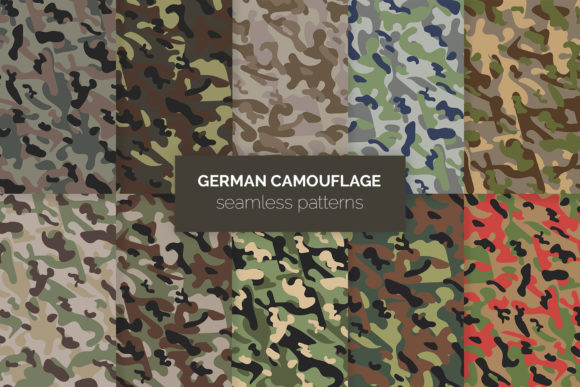
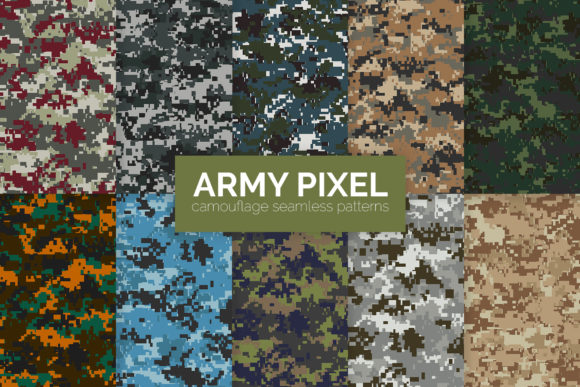
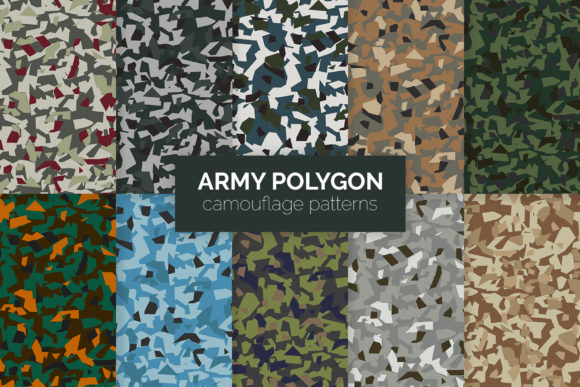
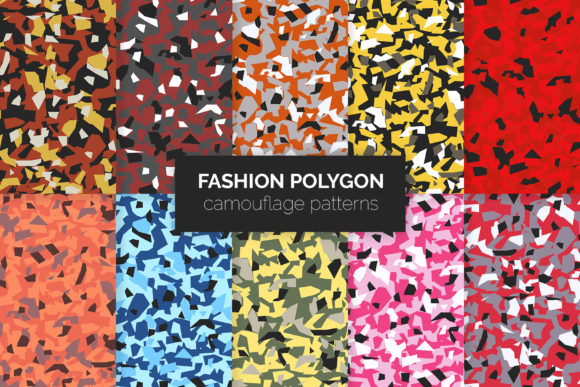
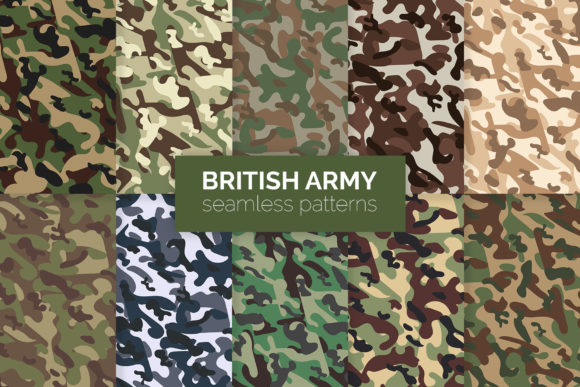
This collection delivers ten seamless patterns, each at a generous 5000 x 5000 pixel resolution. The files come in AI, EPS, and PNG formats, with Illustrator swatches included for smooth workflow integration. Every pattern is handmade, meaning the placement and colour variation reflect careful attention rather than generic algorithmic output. Whether you work in fashion presentation, branding mockups, or environmental concept art, having a set of ready-to-use, high-resolution camouflage patterns saves hours of texture sourcing and manual tiling.
The pack includes one hundred seamless tiles in total across the ten designs, and the resolution ensures that even large-format previews or detailed close-up renders stay crisp. For designers who regularly produce product visuals or clothing previews, this eliminates the common frustration of pixelated or obviously repeating textures.
What Makes British Army Camouflage Distinctive
British Army patterns are not simply green blobs on a khaki background. Classic designs like the Disruptive Pattern Material (DPM) feature organic, brushstroke-like shapes in earthy greens, browns, and blacks, designed to break up the human silhouette in woodland environments. Later iterations, such as Multi-Terrain Pattern (MTP), introduced a more digital, pixelated structure with a broader palette including sand, grey, and olive tones for versatility across different landscapes.
From a design perspective, these patterns offer a unique balance between organic irregularity and structured repetition. The shapes are large enough to read clearly at a distance but complex enough to reward close inspection. This makes them suitable for both bold, full-coverage applications and subtle accent textures. The handmade nature of the kit patterns means each swatch has intentional variation in density and form, which contributes to a more natural-looking final result compared to purely mechanical repeats.
Apparel and Fashion Mockups
If you frequently present clothing concepts, whether for streetwear, outdoor gear, or tactical-inspired collections, these patterns give you a credible starting point. Apply them to jackets, trousers, hats, or bags in your mockup files to show how the fabric drapes and folds. Because the patterns are seamless and high resolution, you can scale them to match garment proportions without visible seam lines or distortion. Try using the DPM-inspired designs for retro or heritage looks, and the MTP-inspired versions for modern, digital-camouflage aesthetics.
Product Previews and Packaging Concepts
For product designers and marketers, camouflage patterns can distinguish packaging for outdoor equipment, survival kits, or limited-edition releases. Wrap the pattern around box mockups, bottle labels, or tech accessories to create a rugged, utilitarian feel. The included Illustrator swatches allow you to quickly change the colour theme if the original palette does not match your brand identity, giving you full control while keeping the structural integrity of the pattern intact.
Digital Assets and UI Elements
While camouflage is most often associated with physical products, it also works well as a background texture for landing pages, hero sections, or social media templates. The high-resolution PNG files are especially useful for web designers who need a non-repeating, ready-to-place texture without loading heavy vector files. Keep the pattern as a subtle overlay or use it boldly behind typography—either way, the military heritage adds a layer of authenticity to adventure, travel, or outdoor-focused content.
Environmental and Game Assets
For concept artists and game designers, these patterns can texture terrain, vehicles, or structures in scenes that require a military or survival context. The seamless nature of the tiles means you can cover large surfaces without visible repetition, and the 5000-pixel resolution holds up well in rendered views. You can also extract colour palettes from each pattern to inform your broader scene lighting and material choices, ensuring visual consistency across your project.
Adapting Patterns for Different Audiences and Formats
Not every project calls for a full camouflage look. The strength of this kit lies in its flexibility. For a minimalist brand that wants a subtle nod to military style, scale the pattern down to a small repeat and use it as a lining texture inside a jacket or bag mockup. For a bold streetwear release, enlarge the pattern so each shape becomes an abstract graphic element on its own. The same file can serve completely different purposes depending on scale, colour modification, and placement.
If your audience leans toward fashion and lifestyle, combine the camouflage with neutral base colours and clean typography. If you are presenting to outdoor or tactical clients, keep the pattern at full saturation and pair it with rugged materials and functional detailing. The vector format makes these adjustments simple without losing quality or consistency.
Practical Workflow Tips
Getting the most out of these patterns means paying attention to a few key details during your project setup.
- Scale with purpose. A pattern at 100% scale might look too busy on a small object, but reducing it to 30–50% can create a fine textile-like texture. Always test the pattern at different sizes inside your mockup to see how it reads at viewing distance.
- Layer with transparency. For a more premium or subtle effect, place the pattern over a solid colour fill and reduce its opacity. This works especially well for packaging or digital backgrounds where full camouflage might overwhelm other design elements.
- Use the swatches as a base. The included Illustrator swatches give you the original colours, but do not hesitate to duplicate and edit them. Shifting the greens toward olive or the browns toward tan can align the pattern with a specific season, terrain, or brand palette.
- Combine patterns. If your project benefits from variety, mix two patterns from the set—one for the main surface and one for accents or linings. The handmade consistency across the collection ensures they will visually belong together.
- Export at the right resolution. The generous 5000-pixel source files give you headroom. For web use, you can downsample to 1500–2000 pixels for faster loading. For print, use the native resolution to maintain sharpness at large sizes.
Who Benefits Most from This Kit
Freelance designers juggling multiple client projects will appreciate the time saved by having ten ready-made, seamless patterns at hand. Small business owners producing their own product visuals can achieve a professional look without hiring a texture specialist. Hobbyists and makers creating custom apparel or gear concepts can experiment with different camouflage styles before committing to production. Educators teaching courses in pattern design, textile design, or military history can use these files as visual examples of how functional patterns translate into graphic repeats.
Marketers and bloggers covering outdoor, survival, or adventure topics can use the patterns in lead images, infographics, or merchandise mockups to reinforce their visual identity. The key advantage is that you do not need to be a pattern designer yourself—the hard work of shape creation, tiling, and resolution management is already done, so you can focus on composition, branding, and storytelling.
Keeping Your Work Original and Audience-Focused
While camouflage is a recognisable style, the way you apply it determines whether your project feels generic or intentional. Avoid covering an entire design with a single pattern without considering hierarchy and contrast. Use camouflage as one layer of a larger composition, and balance it with solid colours, clean lines, or neutral textures. This approach keeps the final result clear and effective, especially when your audience needs to read text or understand a product silhouette.
Consistency is also important. If you use the same pattern at different scales across a set of mockups, maintain a logical relationship between the scales so the viewer perceives them as part of a unified system. The vector format makes it easy to store a master pattern file and link or embed it across multiple documents, so any updates propagate automatically.
Final Considerations
Having a reliable set of British Army camouflage patterns in your asset library is the kind of resource that proves useful again and again. The combination of historical authenticity, thoughtful colour placement, and seamless repeatability makes these files suitable for anything from a quick social media graphic to a full product line presentation. Whether you are creating for yourself or for a client, the practical flexibility of high-resolution, handmade vector patterns means you can move from concept to final mockup with fewer technical hurdles and more creative focus.
Explore the textures, adjust the colours, and test the scales. The patterns are built to support your workflow, not limit it. And when the right project comes along—one that needs that specific balance of ruggedness, heritage, and visual structure—you will already have the tools in place to deliver something that feels both authentic and polished.