German Pixel Camouflage Patterns: Strategic Design Assets for Serious Creators
When you work with visual projects, the difference between a generic outcome and a compelling one often comes down to texture and pattern. German pixel camouflage patterns, originally developed for military concealment, have found a second life in modern design. Their distinctive pixelated geometry offers more than just a nod to tactical aesthetics—it provides a structured, repeatable element that can anchor branding, mockups, and object design. This article explores how to think about these patterns strategically, when to deploy them, and how to avoid common pitfalls. The seamless vector kit you are considering is a practical tool, but its real value depends on how intentionally you use it.
Why German Pixel Camouflage Patterns Matter for Your Projects
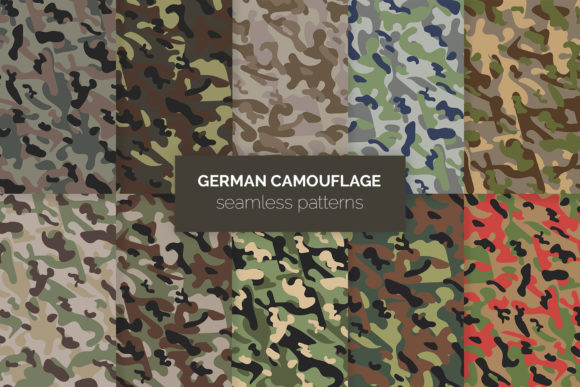
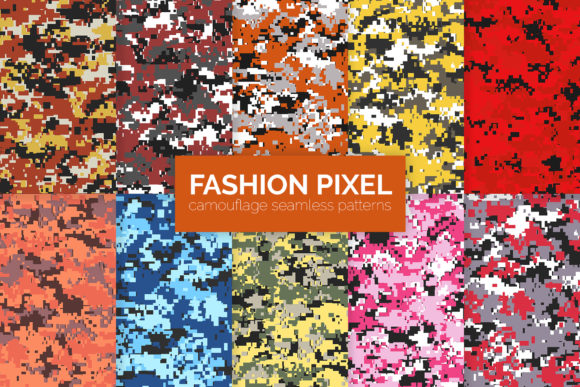
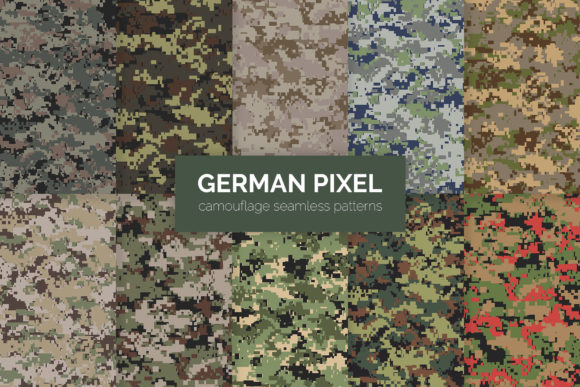
Patterns are not decoration; they are communication. German pixel camouflage, known as Flecktarn in its earlier forms and later refined into digital variants like Bundeswehr Tropentarn, uses small colored blocks to break up outlines. Designers have adopted these pixel patterns for everything from apparel mockups to packaging because the grid-based structure creates visual interest without overwhelming the viewer. Unlike organic camouflage, the pixel version feels modern, precise, and purposeful. It signals attention to detail—something your clients and audience notice.
Using these patterns in your work can support positioning. If your brand or project involves outdoor gear, tactical equipment, or even urban streetwear, the German pixel aesthetic reinforces authenticity. But the value extends beyond niche markets. The pattern's neutral-to-earth color palette (greens, browns, tans) works well as a subtle background or accent in websites, product labels, and presentation templates. When you integrate these patterns thoughtfully, you add a layer of sophistication that generic textures cannot match.
From a productivity standpoint, having a ready-to-use kit of 10 seamless patterns at 5000x5000 pixels eliminates the need to build repeating tiles from scratch. The included Illustrator swatches, AI, EPS, and PNG files allow you to drag and drop into your workflow. This saves hours of manual pattern creation, letting you focus on composition and hierarchy rather than technical repetition.
Strategic Use Cases: When German Pixel Camouflage Patterns Shine
Every pattern has a context where it works best. Here are several scenarios where intentional use of these German pixel camouflage patterns can elevate your output:
- Product mockups for outdoor and tactical gear: If you design backpacks, jackets, or accessories, applying these patterns directly onto 3D mockups shows potential buyers exactly how the fabric looks. The high resolution ensures no blur at realistic zoom levels.
- Brand identity for survival, adventure, or defense-related businesses: A logo or packaging that subtly incorporates the pixel pattern reinforces the brand's rugged, reliable image. Using the seamless repeat prevents clumsy seams on printed materials.
- Backgrounds for e-commerce listings: Many sellers use plain white or gradient backgrounds. A low-opacity pixel pattern adds texture without distracting from the product itself. The pattern's regular grid structure means it will tile perfectly across banners, thumbnails, and detail shots.
- Digital templates for social media or presentations: Patterns from this kit can be used in slide backgrounds or Instagram story templates, especially for content about preparedness, adventure, or military history.
- Custom fabric or textile design: With the 5000x5000px PNG files, you can sample the pattern on fabric prints. The pixelated edges reproduce cleanly on digital textile printers, avoiding the soft bleeding common with organic camo.
- Game asset creation or world-building: Indie game developers can use these patterns for uniform textures, environment tiles, or UI elements. The seamless nature guarantees no visible joints during gameplay.
Each of these use cases benefits from the kit's structure: multiple file formats (AI, EPS, PNG) and Adobe Illustrator swatches mean you can adjust colors or scale without starting from zero. The 100 seamless variations (10 patterns across formats) give you flexibility to test different palettes without committing to one look immediately.
Planning Your Pattern Integration: Goals and Boundaries
Before you import a German pixel camouflage pattern into your project, step back and define its role. Ask yourself three questions: What emotion or message should the pattern convey? Does it complement or compete with other visual elements? How will it function across different media?
For example, if you are creating a mockup for a military-style jacket, the pattern is the hero—it needs to be prominent but not dominating. Set the pattern layer to a moderate opacity (70–85%) if it sits under text or other graphics. If you use the pattern as an accent (e.g., inside a button or zipper pull), reduce scale so that the pixel blocks become finer and less obtrusive. The included swatches allow you to recolor the pattern to match brand constraints, but do so sparingly; the beauty of German pixel camouflage lies in its original palette. Drastically changing colors can make it look like a generic checkerboard.
Another planning consideration: audience familiarity. For viewers who recognize the Bundeswehr pattern, it carries connotations of efficiency, protection, and military heritage. For those who see it as just a cool texture, it adds visual weight. Understand your audience's cultural context. If your project targets outdoor enthusiasts, they will appreciate authenticity. If it targets general consumers, treat the pattern as a design element rather than a statement.
Practical Examples: Using the Seamless Pattern Kit in Real Workflows
Let's walk through three short scenarios to show how this kit supports intentional decision-making:
Scenario 1: E-commerce product mockup
You sell a tactical backpack. You want to show the bag in four colorways. Instead of manually painting textures, you load the AI files from the kit. The pattern scales perfectly, and you adjust hue via the swatch. You export PNGs at 5000x5000 for product images. The high resolution means you can crop tightly without pixelation. Your mockup looks professional in minutes.
Scenario 2: Brand presentation for a defense contractor
You need to pitch a new uniform design. You create a slide deck where each slide background uses a different pixel pattern variant (desert, woodland, urban). Because patterns are seamless, there is no visible tiling when you stretch them to widescreen ratios. The client sees consistent texture across all slides, reinforcing cohesion.
Scenario 3: Social media content series
You run an Instagram account about survival skills. You use the patterns as overlays on photos of gear. Instead of buying stock textures, you apply the PNG files with blending modes. The pixelated grid adds a tactical thriller vibe. Over time, followers associate the pattern with your brand, increasing recognition.
Each example shows that the kit is not a magic solution—it is a tool that works best when you have a clear purpose. Without purpose, patterns become noise.
Risks of Using German Pixel Camouflage Without Clear Goals
The most common mistake is treating these patterns as default decoration. When you add a pixel camouflage pattern to a project without considering hierarchy, brand fit, or legibility, you risk confusing your audience. For instance, placing heavy text over a high-contrast pattern can make the text unreadable. The pattern's repetitive structure also competes with other geometric elements, creating visual clutter.
Another risk is overuse. Because the kit provides 10 seamless variations, it is tempting to apply them everywhere. But a pattern works best as a deliberate accent, not a full-surface coating. Too much camouflage pattern can make a design feel busy or aggressive, alienating users who prefer clean aesthetics. Additionally, if your brand lacks any connection to the outdoors or military themes, the pattern may feel arbitrary, undermining your positioning.
From a technical standpoint, failing to check resolution across media can cause problems. The kit provides 5000x5000px files, which is excellent for most digital and print uses. But if you enlarge the pattern beyond 100% on a billboard or large-format print, pixelation becomes visible even from a distance. Always test the pattern at intended output size before finalizing your project.
How to Approach German Pixel Camouflage Patterns Intentionally
Adopting a strategic mindset means you control the pattern rather than letting it control your design. Here are steps to integrate these patterns with purpose:
- Define the pattern's role: Is it a primary texture, a background element, or an accent? Write one sentence describing its job in the composition.
- Match the pattern variant to your color palette: The kit includes multiple color schemes. Select the one that harmonizes with your existing brand colors. The included Illustrator swatches make this quick.
- Test readability: If text or logos appear over the pattern, create a dark or light overlay between them. Adjust pattern opacity to 30–50% for backgrounds.
- Scale to context: The 5000x5000px resolution is generous, but scaling down the pattern (making the pixel blocks smaller) creates a finer texture. Scaling up produces a bolder statement. Choose based on the distance from which viewers will see it.
- Use seamless tiling to your advantage: Preview your design in a repeating layout to ensure no awkward seams appear. The kit's patterns are already seamless, but check alignment when you rotate or modify them.
- Evaluate across media: What works on a screen may look different on fabric or paper. Export a sample and test physically before production.
These steps turn a pattern from a random asset into a strategic component of your visual communication.
Long-Term Value: Building a Library of Intentional Design Assets
Designers, entrepreneurs, and content creators who invest in quality pattern kits like this one gain a reusable resource. The same 10 patterns can serve multiple projects over years. Because they are vector-based and provided in multiple formats, they work in Adobe Illustrator, Photoshop, Affinity, and other software. The high resolution means they remain viable even as display technology advances to 8K or beyond.
Over time, as you accumulate use cases, you develop a mental catalog of which patterns suit which scenarios. The German pixel camouflage patterns become a shorthand for your brand's tactical or outdoor identity. This consistency builds recognition among your audience. It also streamlines your workflow: you stop hunting for textures and start making decisions faster.
The included 10 AI, 10 EPS, and 10 PNG files (plus swatches) represent a curated collection. A thoughtful designer will not need 100 variations—they need the right ones. This kit offers variety without overwhelming you. Swatches allow recoloring, so you can adapt the pattern to seasonal campaigns or new product lines without buying additional assets.
Final Considerations for Decision-Makers
Whether you are a freelancer preparing client prototypes or a small business owner launching a new product line, patterns play a role in your visual toolkit. German pixel camouflage patterns carry both aesthetic and semiotic weight. Buying a smooth, ready-made kit eliminates the pain of creating your own seamless repeats and ensures professional-grade output. But the kit is only as effective as your plan for using it.
Review your upcoming projects: mockups, branding, social media templates, fabric designs. Identify where a structured, pixelated texture adds value. Then, open the files and experiment with opacity, scale, and color. Document what works so you can reuse that knowledge. Avoid rushing to apply the pattern everywhere. Instead, let it serve a specific goal—be it authenticity, differentiation, or visual anchoring.
When used with intention, these patterns help you achieve consistent, professional results that stand out from generic stock textures. They give your projects a grounded, tactical feel without shouting. That is the difference between using a pattern and strategically deploying it.